In 2026, the Port Autonome de Kribi (PAK), Cameroon's only deep-water port, set out to authorise, supervise and control ship-to-ship (STS) transfers of petroleum products in its maritime domain. Maximum Services Sarl, in a consortium with Performance Qualité, was selected to build the complete framework, from the regulatory analysis to the operations manual, the emergency plan and the certification of the port's pilots.
At a glance
| Item | Details |
|---|---|
| Client | Port Autonome de Kribi (PAK), Cameroon |
| Assignment | Development and dissemination of the procedures manual for ship-to-ship transfers of petroleum products in the PAK maritime domain |
| Consultant | Consortium Maximum Services Sarl and Performance Qualité |
| Contract period | Four months from 28 April 2026, with final documents delivered in September 2026 |
| Main references | MARPOL Annex I, SOLAS, ISM Code, the industry Ship to Ship Transfer Guide, ISGOTT (6th edition), CEMAC Community Merchant Shipping Code, Cameroonian law |
The challenge
STS transfers allow a port to earn recurring revenue from zone fees, pilotage, towage and related services without heavy new infrastructure. They are also among the most exposed maritime activities, with risks of collision, hose failure, pollution, fire and drifting of moored vessels. Before the mission, PAK had no STS operating framework. The port needed clear rules, safe zones, trained people and an emergency response capability before any operation could be authorised.
Our approach
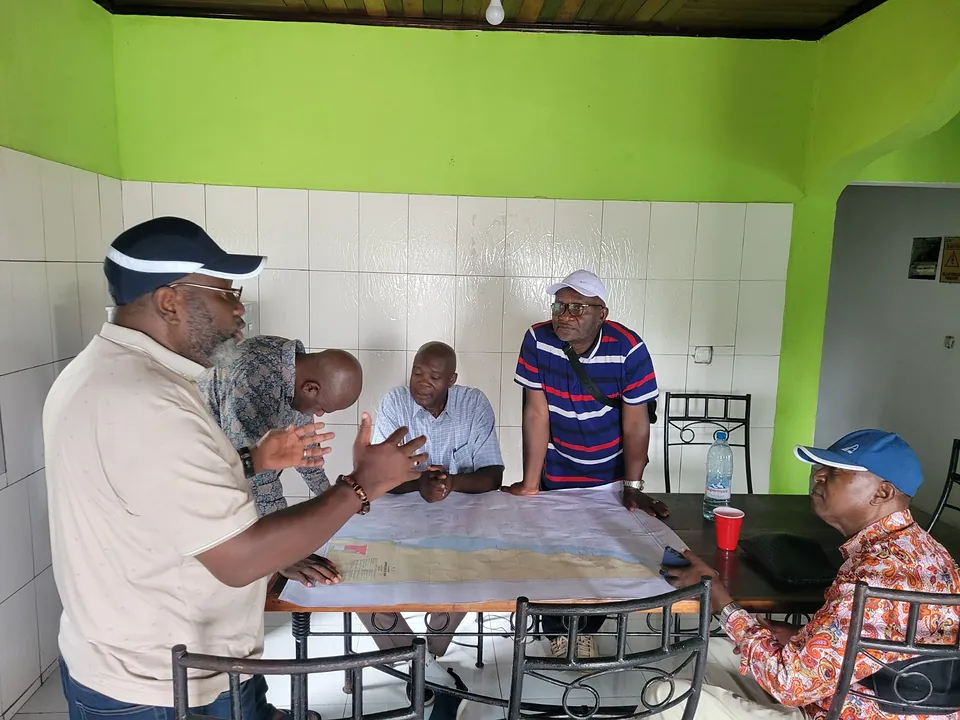
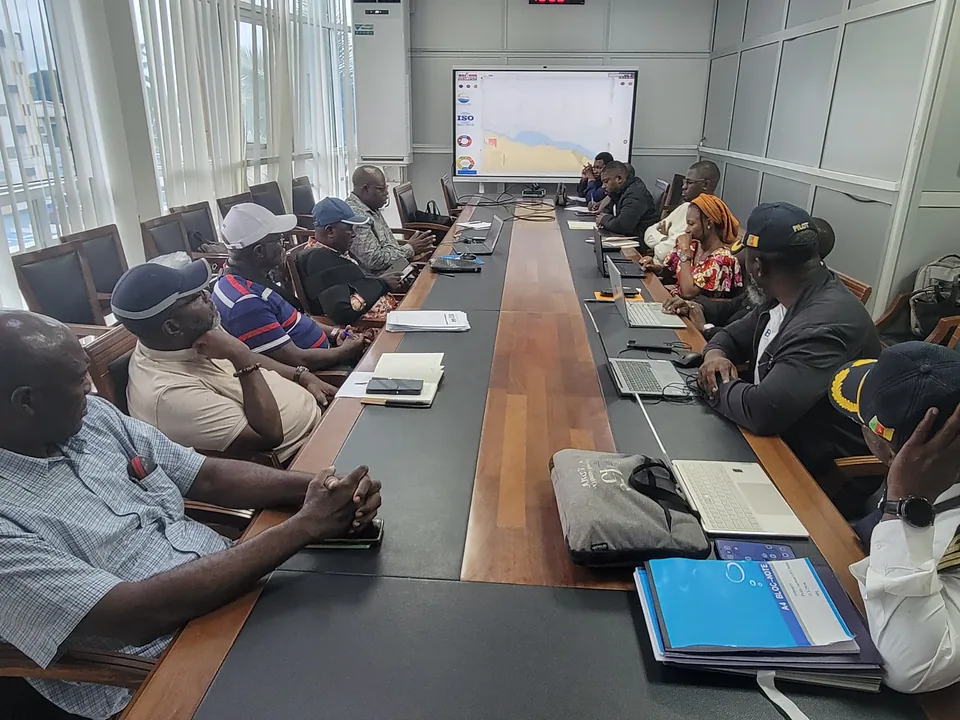
The assignment was organised in eight successive missions, each building on the results of the previous one. The regulatory framework guided the choice of zones, the zones set the scope of the risk assessment, and the risks defined the barriers in the manual and the scenarios of the emergency plan. Every deliverable was reviewed with PAK's harbour master's office before it was finalised.
What we delivered
| Result | Figure |
|---|---|
| Contract missions completed | 8 |
| STS zones characterised off Mboro | 4 |
| Hazards assessed using HAZID, HAZOP and bow-tie analysis | 30 |
| PAK pilots trained and certified in Lagos | 5 |
| Chapters in the STS Operations Manual | 14 |
| Standard operating procedures (SOPs) | 20 |
| Emergency scenarios with action cards | 9 |
- Regulatory review. A map of international, CEMAC, national and PAK texts, with a gap matrix and a maturity assessment.
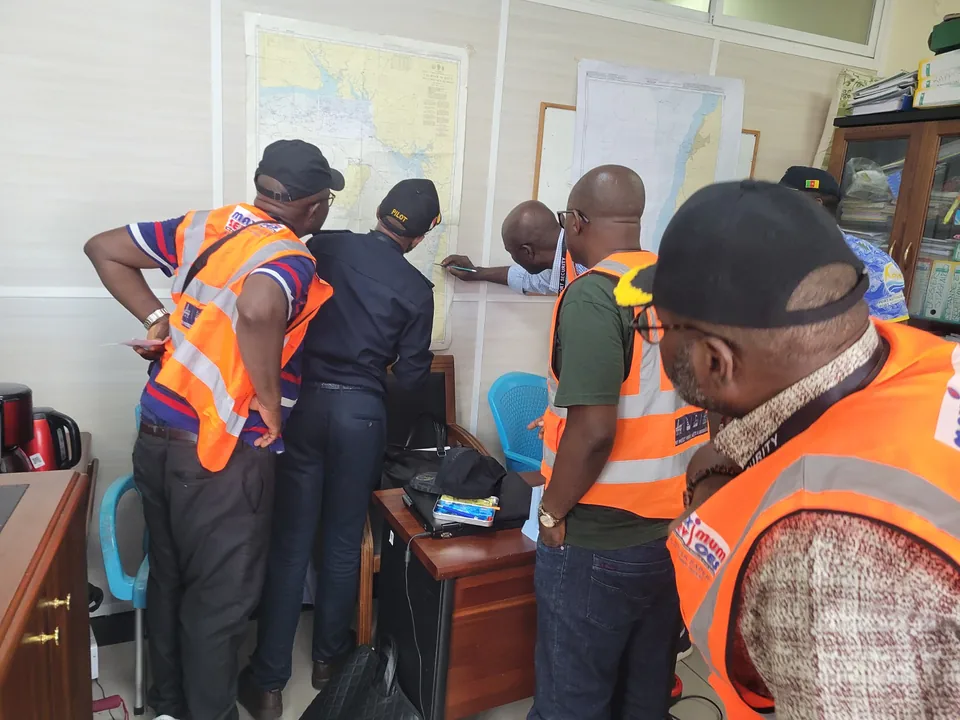
- STS zones. Four candidate zones off Mboro, characterised from charts, metocean data and a field survey, with a recommended priority zone and the technical prerequisites for formal designation.
- Risk assessment. A HAZID register, a HAZOP of the transfer process, bow-tie models of the three critical scenarios and the mandatory barriers to have in place before any operation.
- Pilot certification. Five PAK pilots trained and certified at the Hudson Trident Training Centre in Lagos, Nigeria, as the first step towards Mooring Master qualification.
- STS Operations Manual. A stand-alone, 14-chapter reference document with 20 SOPs covering the full cycle, from STS nomination to debriefing.
- STS Emergency Response Plan. Nine scenarios, built as an extension of PAK's existing crisis organisation rather than a parallel system.
- Benchmarking. A study tour to the Port of Lomé, Togo, to observe an active STS hub and identify lessons PAK can apply.
The outcome
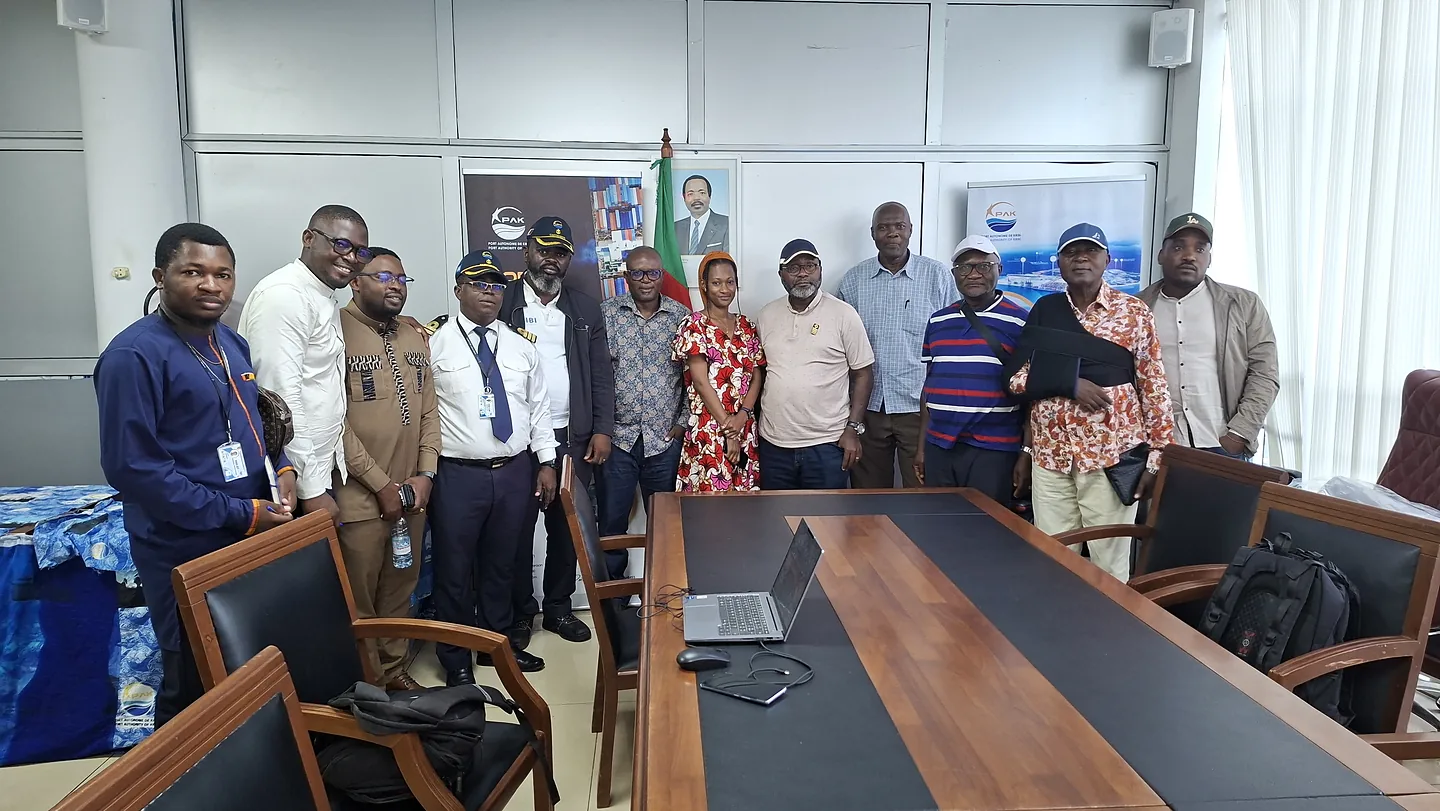
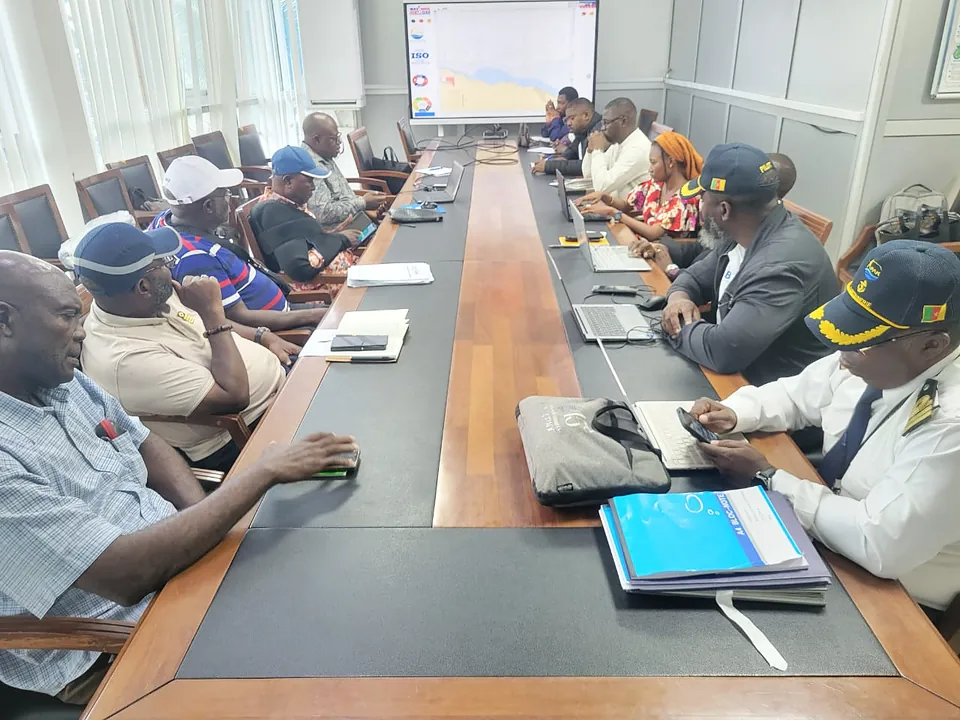
PAK now has a complete documentary framework for STS operations, reviewed in workshops with the harbour master's office and handed over in final form to the Harbour Master. A four-phase roadmap of about 24 months leads from institutional adoption of the framework, through a supervised pilot operation, to commercial growth of STS activity.
Planning STS operations?
Maximum Services Sarl helps port authorities, maritime administrations and terminal operators design STS frameworks, assess STS risks and train their teams. Contact us